No Job is Too Big or Too Small!

Top 10 Injection Molding Small Parts Suppliers for Global Buyers

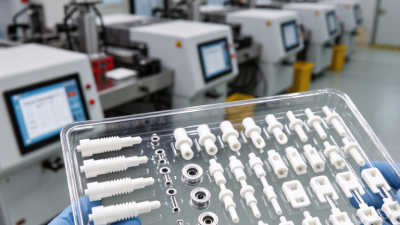
Injection molding small parts can be easy to underestimate. A connector housing, medical-device handle, or tiny retaining clip may weigh only a few grams, yet a small dimensional error can disrupt an entire assembly. For global buyers, the challenge is finding suppliers that can make these parts consistently, communicate clearly, and support production as volumes change.

This guide introduces ten suppliers for buyers comparing capabilities, not simply looking for the lowest quoted price. It considers practical factors such as tooling experience, material options, tolerance control, inspection methods, production capacity, and lead-time communication. Ask for sample parts and relevant quality records before committing; a polished website alone proves little. Details matter.

A supplier may perform well on a prototype but struggle when orders grow. That distinction deserves attention. Buyers should also confirm packaging requirements, shipping arrangements, and who will manage tooling changes. The right questions vary by part and application, so this list cannot replace a technical review of your own drawings. No shortlist is perfect. Use it as a starting point, then compare each supplier against your specifications, target market, and expected order volumes. A careful review can reduce avoidable delays and help build a more dependable supply relationship.
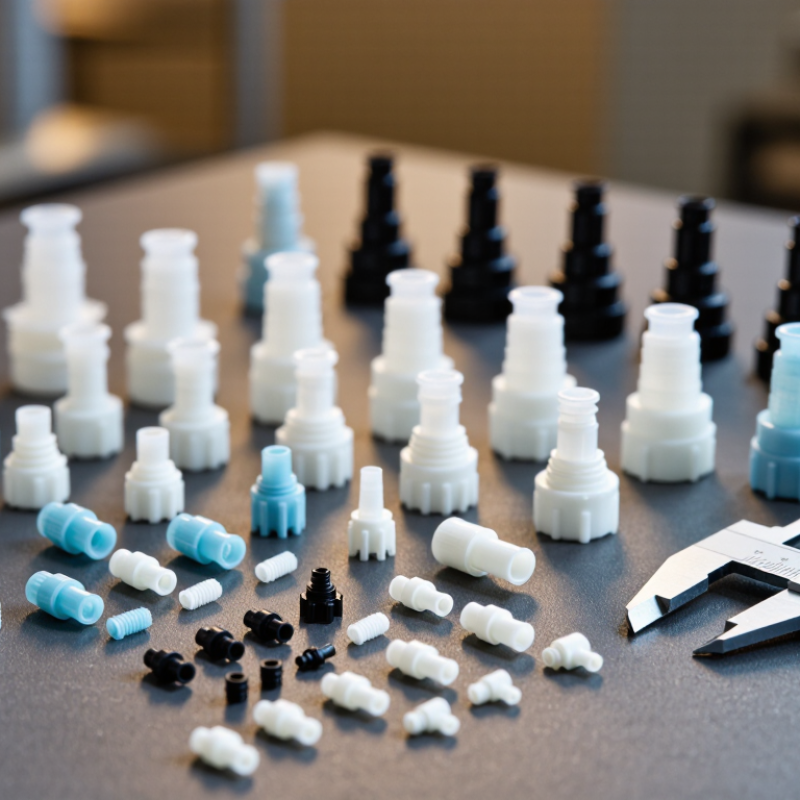
Top 10 Injection Molding Small Parts Suppliers for Global Buyers

What Defines an Injection Molding Supplier for Small Parts?

A supplier for small injection-molded parts is defined less by machine size than by control at the part level. Small features amplify ordinary process variation. A thin rib may warp, while a tiny gate mark can interfere with assembly. Reliable suppliers review the drawing, resin, wall thickness, draft, gate location, and tolerance stack before cutting steel. They should explain which dimensions need tight control and which can remain practical. That distinction matters.

Ask how a supplier validates parts, not just how many cavities it can run. Useful evidence includes first-article measurements, documented process settings, material traceability, and inspection results for agreed critical dimensions. For delicate components, ask about handling and packaging too; a clean part can still arrive scratched or mixed. A capable team can discuss tool maintenance, cycle variation, and corrective actions in plain language. Nothing stays perfectly stable. A drawing can look finished yet leave an awkward question about the parting line or ejector marks. That uncertainty deserves a sample review, not a confident promise.
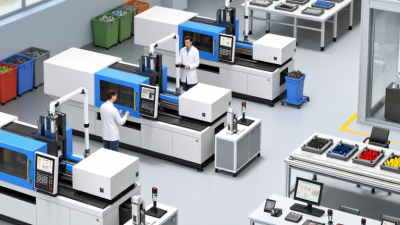
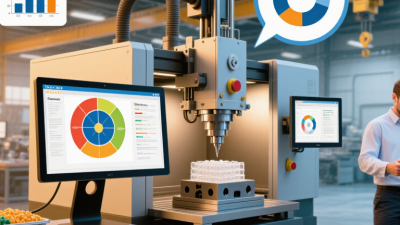
How Global Buyers Can Evaluate Supplier Capabilities

For global buyers, a low unit price means little if small parts vary across cavities. Ask suppliers for recent dimensional reports, material certificates, and process-control records. Check critical features against your drawing, such as a 0.2 mm snap-fit gap or a thin sealing edge. Request samples from multiple cavities, not just one polished “golden” part. Then review how the supplier handles mold maintenance, resin-lot traceability, and corrective actions when measurements drift.

Scale makes disciplined sourcing important. PlasticsEurope’s Plastics—the Fast Facts 2023 report estimated global plastics production at 400.3 million tonnes in 2022. That figure covers plastics broadly, not injection-molded parts alone, but it shows the size of the material supply chain. The OECD’s Global Plastics Outlook reported 460 million tonnes of plastics use in 2019. Buyers should therefore ask how a supplier controls resin changes and documents material substitutions. A tidy audit room is reassuring, but it does not prove a stable production run. I would still want to see real batch records.

Tips: Send one representative part for a molding review. Ask for a first-article inspection and cavity map. Compare quoted tolerances with measured capability; not every feature needs the same tolerance. Be cautious when a supplier promises tight tolerances without showing production data.

Profiles of Ten Injection Molding Small Parts Suppliers

Small injection-molded parts demand stable dimensions, clean edges, and repeatable cycles. Grand View Research estimated the global injection-molded plastics market at USD 284.1 billion in 2023, with projected annual growth of 4.2% through 2030. The figure covers a broad market, not small parts alone. These ten profiles describe capability-led supplier types rather than named companies. A micro-precision shop targets tiny clips and gears; a high-cavitation producer focuses on fast, consistent output; an insert-molding specialist embeds metal contacts; a cleanroom molder serves components requiring controlled production. Fit matters more.

An electronics-focused supplier makes connector housings and thin-wall parts, where short shots can disrupt assembly. A two-shot molder combines materials or colors in one component. A prototype-oriented shop handles short runs and design changes, though unit prices may be higher. A recycled-resin specialist can help reduce virgin-material use, but buyers should verify resin consistency and part performance. Not every shop fits.

For larger orders, an export-oriented producer may offer automated cells and documented inspection routines. An engineering-led supplier can support tooling, material selection, and production planning under one roof. Ask each candidate for sample parts, dimensional reports, cavity details, and lead-time assumptions. Check how they handle tool wear and process changes. A polished capability sheet is useful, but it cannot replace a production trial. Small parts are unforgiving; one overlooked gate mark can matter.

How the Suppliers Compare on Quality, Cost, and Lead Time

For global buyers, the ten suppliers should be compared against the same part drawing, resin specification, and annual volume. Otherwise, a low quote may simply exclude mold maintenance or inspection. Quality is more than a polished sample. Ask how each supplier controls critical dimensions, checks first-off parts, and records changes between production runs. For a tiny clip or gear, a small shift at the parting line can affect fit.

Look closely at the cost breakdown. Tooling, sampling, secondary operations, packaging, and freight can change the real price per part. A supplier with a higher unit quote may be less expensive over time if scrap rates stay low. Request sample data, not just assurances. Still, not every buyer needs a complex inspection plan; matching checks to the part’s actual function is more practical.

Lead time needs the same scrutiny. Separate mold construction, sample approval, and repeat production in the schedule. Ask what happens if the first trial shows flash or a short shot. A clear response is useful. So is a named checkpoint. Some schedules look precise but leave little room for corrections, and buyers can miss that. Compare realistic dates, communication habits, and corrective-action speed alongside the quoted delivery window.

Top 10 Injection Molding Small Parts Suppliers for Global Buyers - How the Suppliers Compare on Quality, Cost, and Lead Time

Comparison basis: The entries below are anonymous supplier archetypes, not named or ranked companies. Cost and timing figures are indicative planning benchmarks, not verified supplier-specific quotes. They assume a simple 5–20 g polypropylene or ABS part, approximately 100,000 units per year, and exclude freight, taxes, and special finishing.

Profile Typical Strength Quality Controls to Confirm Indicative Part Cost (USD/unit) Indicative Tooling Cost (USD) Typical Tooling & First-Article Lead Time Best Fit
01 — High-volume integrated molder Automated production, in-house tooling support, and capacity for repeat orders. Ask for a control plan, material traceability, first-article inspection records, and documented process monitoring. $0.04–$0.12 $8,000–$30,000 6–12 weeks Stable, forecastable programs with substantial annual volume.
02 — Cost-focused production molder Competitive pricing for straightforward parts and larger production batches. Confirm inspection frequency, defect handling procedures, resin documentation, and change-control practices. $0.03–$0.10 $5,000–$22,000 6–14 weeks Price-sensitive parts with clear specifications and limited design changes.
03 — Precision-focused molder Process engineering for small parts with demanding dimensional or functional requirements. Request a measurement plan, capability evidence for critical dimensions, calibrated equipment records, and sample approval criteria. $0.07–$0.22 $10,000–$40,000 8–16 weeks Parts where fit, function, or repeatability is more important than the lowest unit price.
04 — Tooling-led molder Strong mold design and maintenance capabilities; may support design-for-manufacturing reviews. Clarify mold ownership, maintenance scope, spare-part policy, sampling approval, and tool-life assumptions. $0.05–$0.16 $7,000–$35,000 5–12 weeks Projects that need close coordination between part design and mold design.
05 — Prototype-to-production molder Can support development samples and later production, subject to machine and tooling availability. Separate prototype and production acceptance criteria; verify that production tooling and process settings are validated. $0.08–$0.30 $4,000–$25,000 3–10 weeks New products that require design iteration before committing to higher volumes.
06 — Regulated-market supplier May offer more formal documentation and controlled production processes for regulated applications. Verify current certificates and their scope directly; review traceability, document control, validation, and audit records. $0.08–$0.28 $10,000–$40,000 8–18 weeks Applications with customer-specific compliance, documentation, or audit requirements.
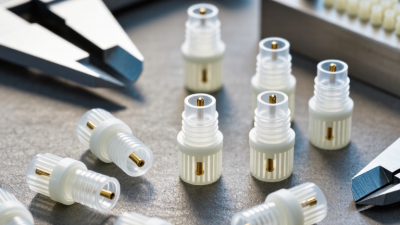
07 — Insert and overmolding specialist Experience with molded-in inserts, multiple materials, or secondary molding operations. Ask how insert placement, bonding, pull-out performance, and process variation are inspected and documented. $0.10–$0.35 $12,000–$45,000 8–18 weeks Parts that combine plastic with metal inserts or require overmolding.
08 — Small-batch flexible molder Potentially more responsive to low-volume orders, design changes, and varied part families. Confirm capacity, batch-to-batch inspection, resin lot records, and the cost of setup or short production runs. $0.10–$0.40 $4,000–$20,000 4–12 weeks Lower-volume programs or products with uncertain early demand.
09 — Multi-process contract manufacturer May coordinate molding with assembly, printing, packaging, or other finishing operations. Check inspection responsibilities at each process step, subcontractor controls, packaging standards, and final release records. $0.08–$0.30 $8,000–$35,000 7–16 weeks Buyers seeking a coordinated supply chain for molded and finished components.
10 — Regional service-focused molder Potentially easier communication, site access, and coordination across nearby time zones. Evaluate the same evidence as other suppliers: approved samples, inspection records, material traceability, and corrective-action process. $0.06–$0.25 $7,000–$32,000 5–14 weeks Programs where communication, site visits, or regional logistics are priorities.

Important: Actual pricing and lead time depend on part geometry, resin grade, tolerances, cavity count, mold construction, order quantity, inspection requirements, and shipping terms. Request comparable quotations using the same drawing revision, material specification, annual volume, acceptance criteria, and delivery terms. Quality certifications and capabilities should be independently verified for each supplier.

Steps for Selecting a Supplier and Managing Global Sourcing

Selecting a supplier for small injection-molded parts starts with the part, not the quote. Share a controlled drawing, resin specification, tolerance table, expected annual volume, and critical cosmetic zones. Ask how the supplier measures thin walls, pin locations, and flash. Request sample inspection records, not just a capability brochure. A low unit price means little if the tool needs repeated correction.

Before committing, review tooling ownership, maintenance plans, material traceability, and change-control procedures. Request molded samples from production-intent tooling and test them under real assembly conditions. Check dimensions after conditioning, since some resins shift with temperature or moisture. Then test again. A video call can clarify process details, but it cannot replace physical samples or a documented quality plan.

Global sourcing also needs a practical operating plan. Compare total landed cost, including freight, packaging, duties, inspection, and likely buffer stock. Confirm who books transport, how cartons are labeled, and who reports delays. Keep forecasts and revisions in one shared record, with dated approvals. Set response windows across time zones and agree on escalation contacts before a shipment is late. Even a careful plan can miss a packaging detail; review the first shipment closely.